In South Africa, protected land is usually one of two kinds: Public Nature Reserves run by the state, or Private Nature Reserves. Along this stretch of the Elephant Coast, something different is happening. Public and private land are being joined into one continuous landscape, one piece at a time.
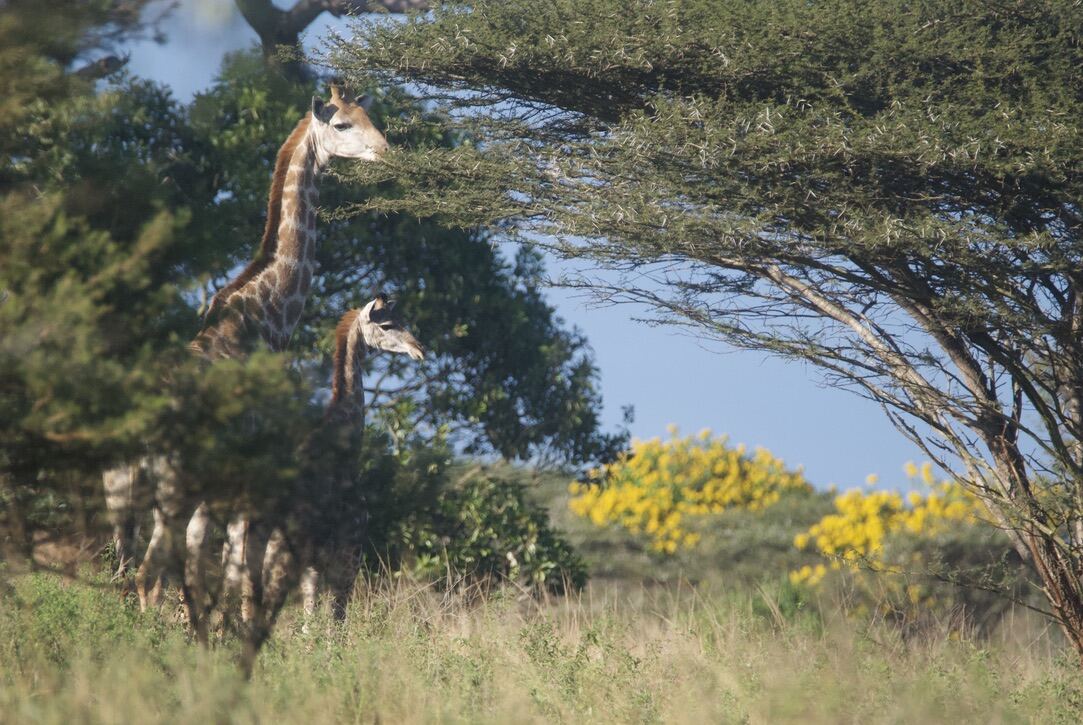
Giraffe browsing acacia trees at Ukuwela, on the Elephant Coast.
What Ukuwela actually is
Ukuwela sits between iSimangaliso Wetland Park and the Munyawana Conservancy, on a stretch of coast known as the Elephant Coast, named for the massive-tusked elephants further north at Tembe. Public Nature Reserves, Private Nature Reserves and Wild Tomorrow's land in between work as one patchwork, rather than separate, fenced-off islands.
Wild Tomorrow has secured the land in stages since 2017, and it's now legally protected at the same level as a national park. If the full corridor comes together as planned, it would connect over 356,000 hectares, inside one of only 36 recognised biodiversity hotspots on Earth.
What's actually happened on the ground
Over 100,000 indigenous trees planted. Fencing upgraded to Big Five standard. An all-women team called the Green Mambas clearing invasive alien plants by hand. Leopards, hyenas, zebra, wildebeest, and hippos already resident. A previously unknown spider species, since named the Phinda Button Spider, discovered in the reserve's critically endangered sand forest. And in 2023, a 40-hectare property with existing lodging became the Wild Tomorrow Conservation Centre, now being turned into a base for researchers and volunteers.
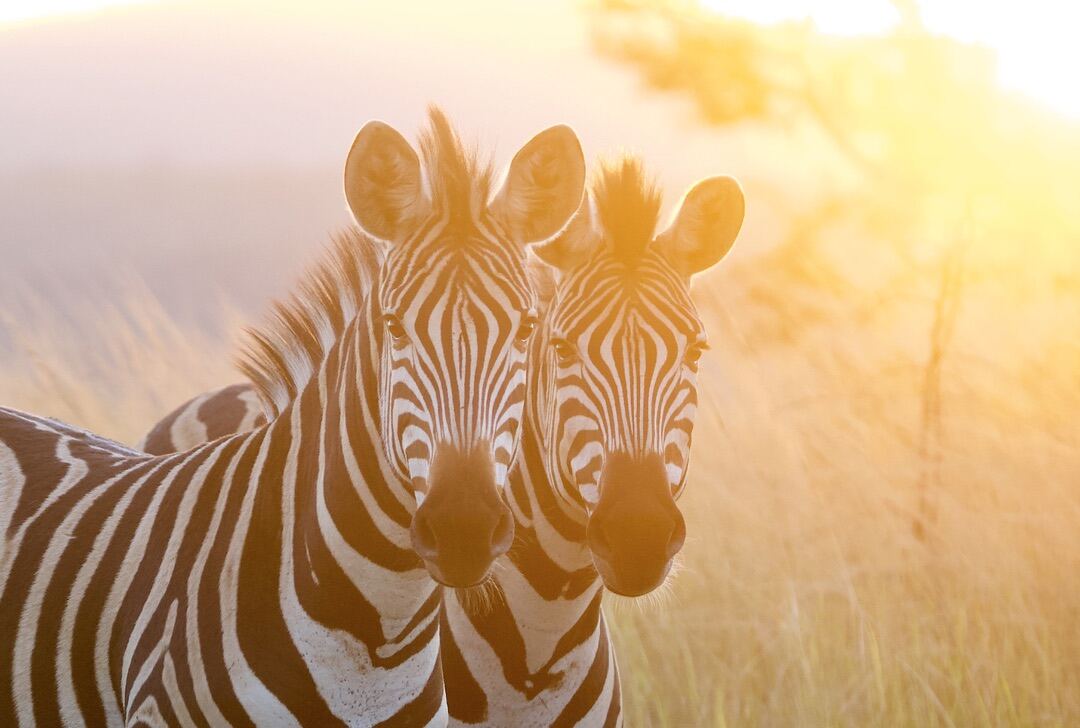
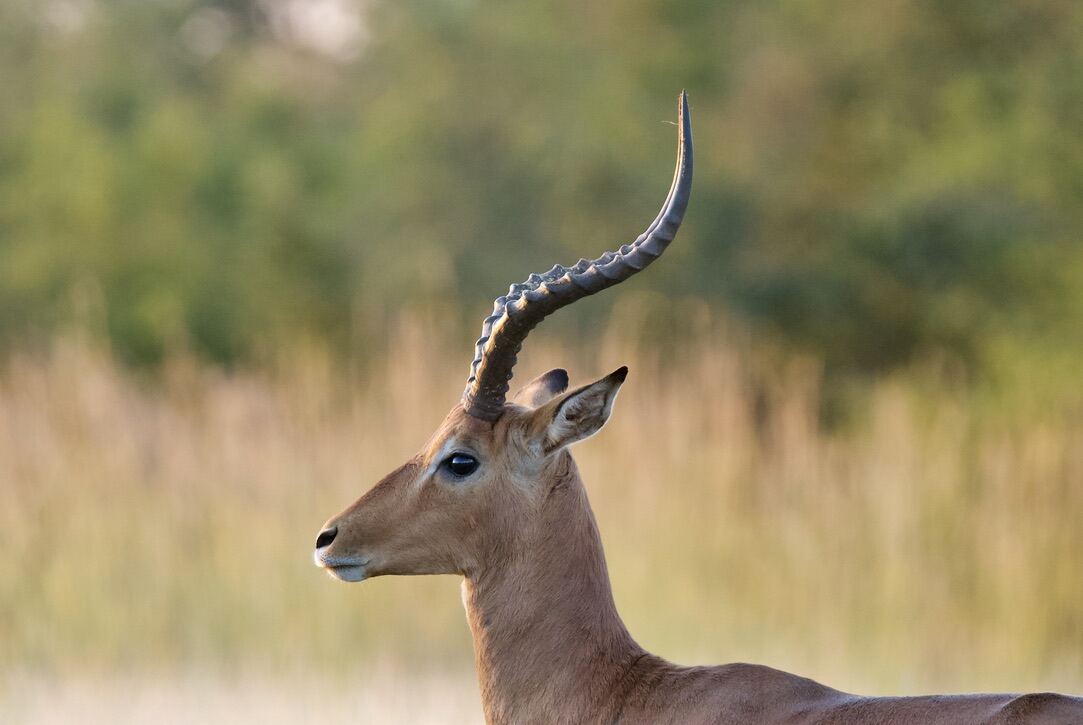
Zebra and impala are both already resident in the area, among the species this kind of restoration keeps room for.
A reserve's fence is a line on a map. Out here, that line is quietly being erased, one property at a time.
One piece of a five-part approach
Wild Tomorrow breaks its own work into five parts. Land restoration, the part most visible from a game drive, is only one of them.
Habitat
Protecting and expanding it
Restoration
Rewilding degraded land
Protection
Rangers and anti-poaching
Community
Local education and jobs
Partnerships
Scientists, donors, volunteers